The initiative brings together public agencies, industry leaders and academia to create a shared, long‑term direction for advanced mobile connectivity — ensuring that Sweden remains a trusted, collaborative partner in shaping the future of wireless innovation.
Wireless communication is a fundamental enabler of innovation, competitiveness and well-functioning societies. It allows people, companies and organisations to communicate and use digital services regardless of location. Mobile connectivity is the backbone of everything from everyday communication to advanced digital solutions in industry and society. For countries aiming to remain competitive and relevant, mobile technology development places new demands on coordination, collaboration and long-term planning.
– Mobile connectivity is about wirelessly connecting people, machines and services through mobile networks. The technology is used for everything from voice and data to connected solutions in society and industry. With 6G, connection speeds and computing capacity will continue increase, enabling entirely new applications and services. AI will become a central component of the networks and their applications, positioning connectivity as a key global platform for innovation, competitiveness and sustainable societal development, says Sverker Brundin, responsible for the Swedish government assignment on 6G at Vinnova.
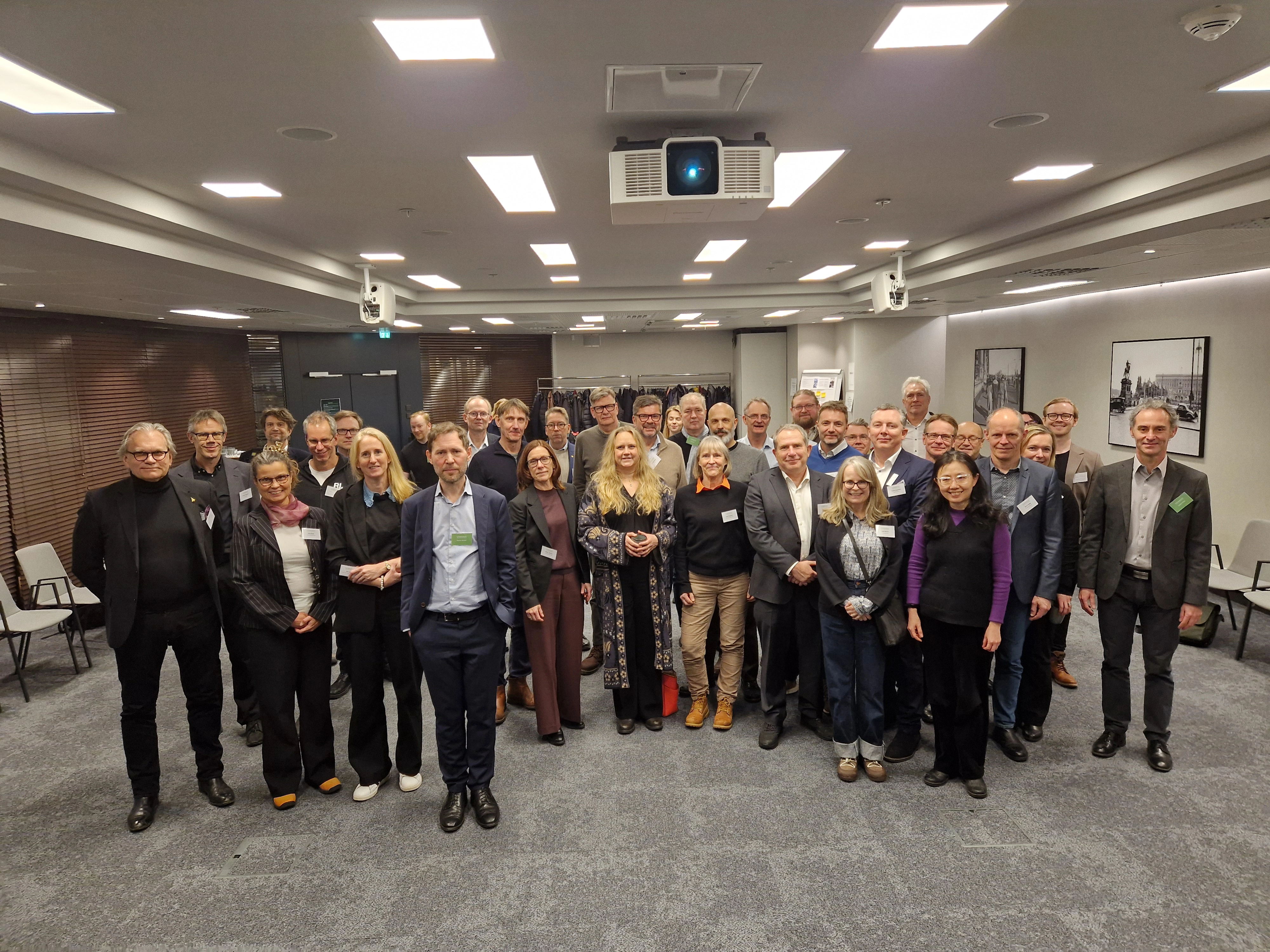
In January, the second workshop on Sweden's national agenda for future mobile technology was held, with a broad participation of actors from industry, society and academia.
The agenda aims to strengthen Sweden’s capacity to develop, deploy and optimise future wireless communication infrastructure, creating value for both industry and society. The work is based on dialogue and joint analysis. Through workshops, meetings and written input, experiences, and needs have been gathered from a wide range of stakeholders.
– We take in perspectives from many different directions to create a broad and shared understanding of what is needed going forward, says Tomas Andersson, representative of the Swedish Research Council in the work on the 6G agenda.
Identified needs
How mobile connectivity can be applied in society and industry
Research and innovation within 6G and related technological fields
Testbeds, standardisation and commercialisation
Sustainability, security and resilient communication systems
The agenda is developed step by step and is intended to function as a shared roadmap. It will help identify challenges, opportunities and priorities in both the short and long term, and enable coordinated efforts across sectors.
Several countries, including Finland, Germany, the United Kingdom, the United States, South Korea, and the EU, have developed national or joint agendas for future connectivity and 6G. Sweden’s efforts are part of this broader international movement.
Broad collaboration across sectors
The agenda is developed through broad collaboration between public authorities, research funding organisations, companies, industry associations, societal actors and academia.
– Through a shared agenda, we want to strengthen the conditions for innovation, competitiveness and sustainable development in an increasingly connected world, while positioning Sweden as a long-term and reliable partner in international collaboration on next-generation connectivity,” says Sverker Brundin.
The work on the agenda will continue throughout 2026.
What is a National Connectivity Agenda?
A national connectivity agenda is a roadmap and guide to new generations of mobile technology:
Where we want to go - long-term goals and direction
Where we are today - current position, strengths and challenges
What needs to be done - prioritised actions moving forward
The agenda does not constitute a funding decision. Instead, it is intended to support continued policy development, coordination and future investments in Sweden and Europe. Vinnova’s and the Swedish Research Council’s work on 6G is carried out within the framework of a government assignment issued in 2024.
Read more about the 6G assignment on the Swedish government's website (in Swedish).